


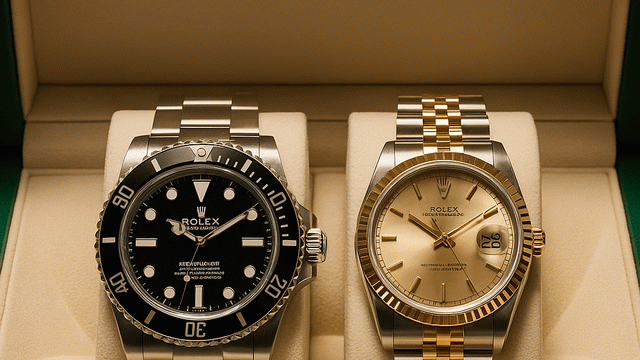
Rolex Prices 2010–2025: From Record Highs to Market Stability
A quieter boom, a sharper playbook
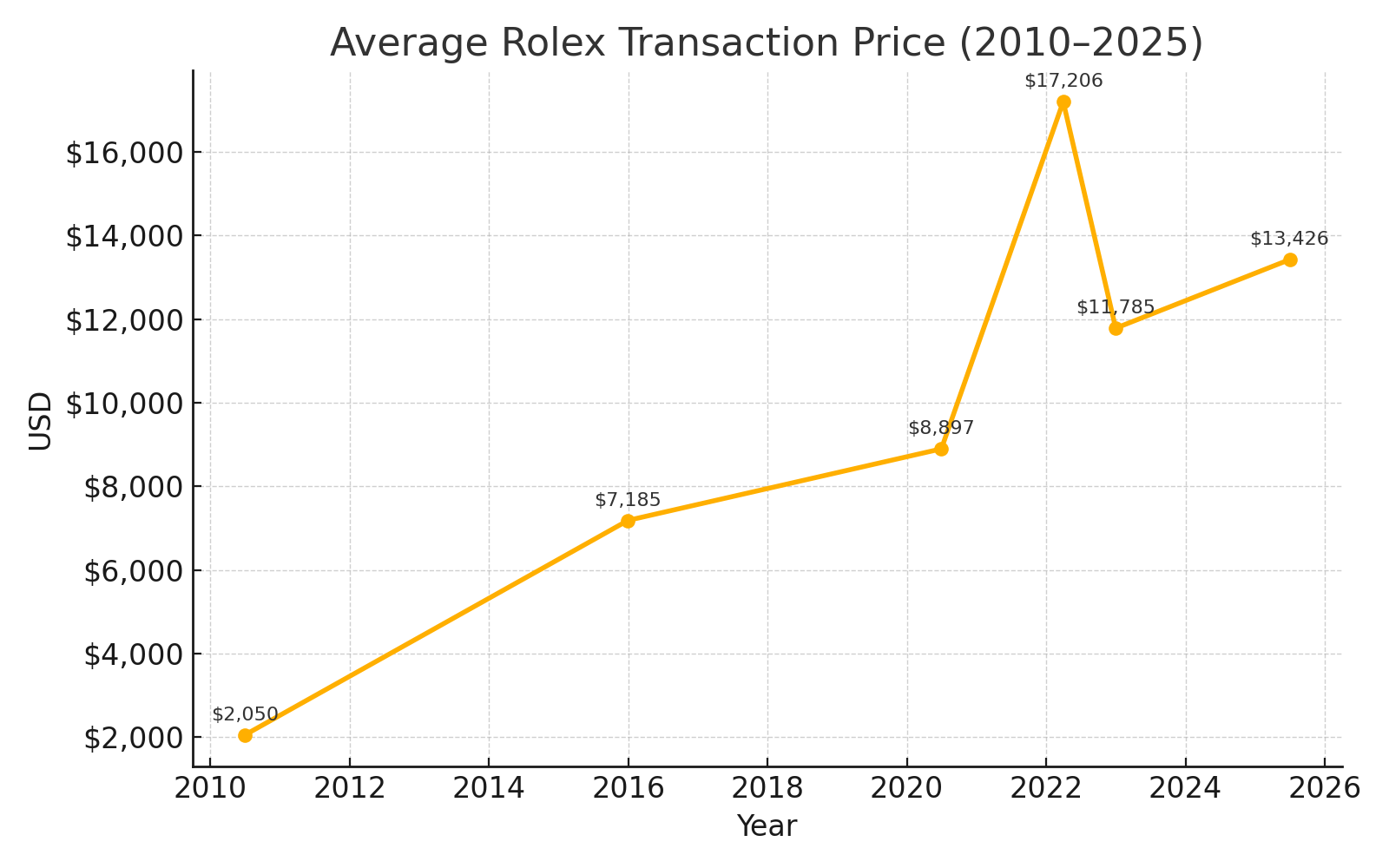
Fifteen years of completed transactions tell a simple story: average realized prices for Rolex watches in our records climbed from roughly $2,000 in 2010 to $13,426 by mid-2025 — an increase that only appears smooth from a distance. Up close, the market moved in distinct waves.
Why does that matter? Because entry points, model mix, and even case sizes that seemed “obvious” in 2022 look different after the correction and stabilization that followed.
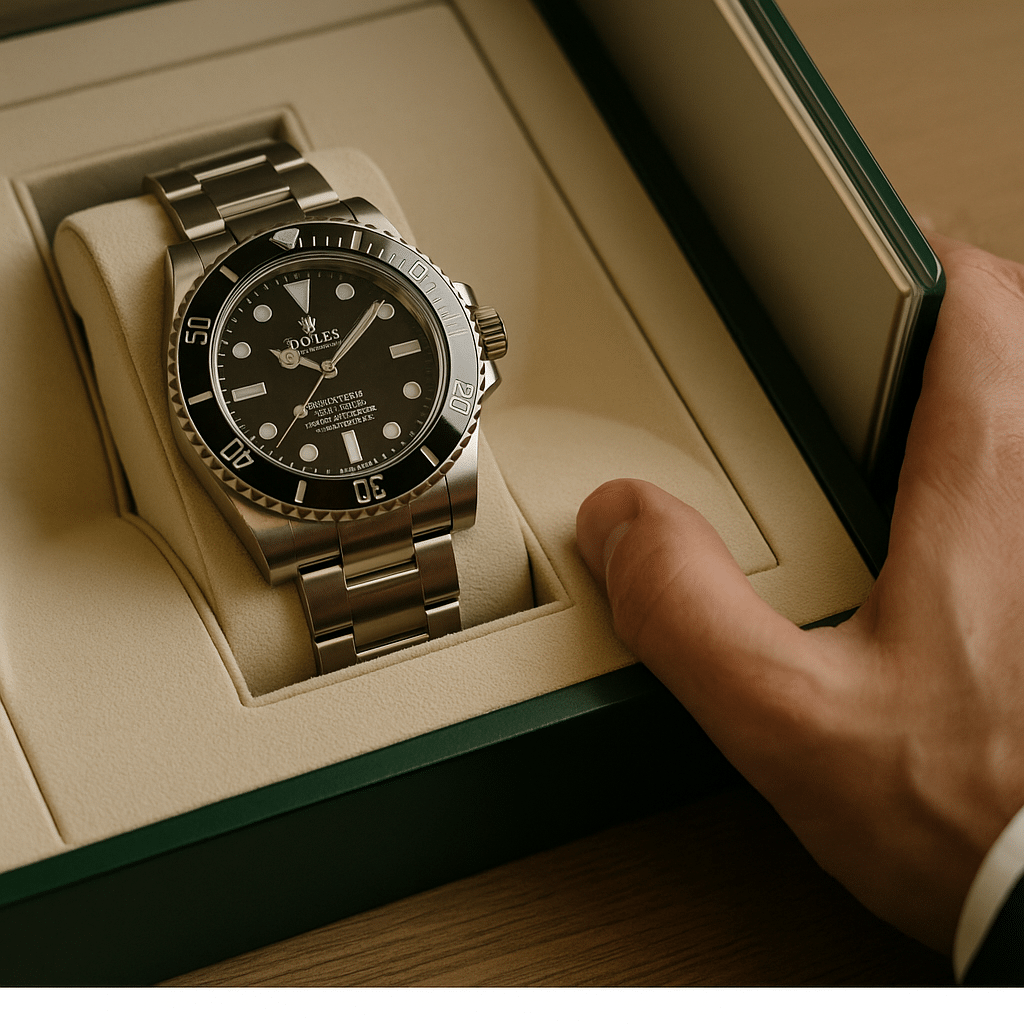
Two market lenses frame the narrative.
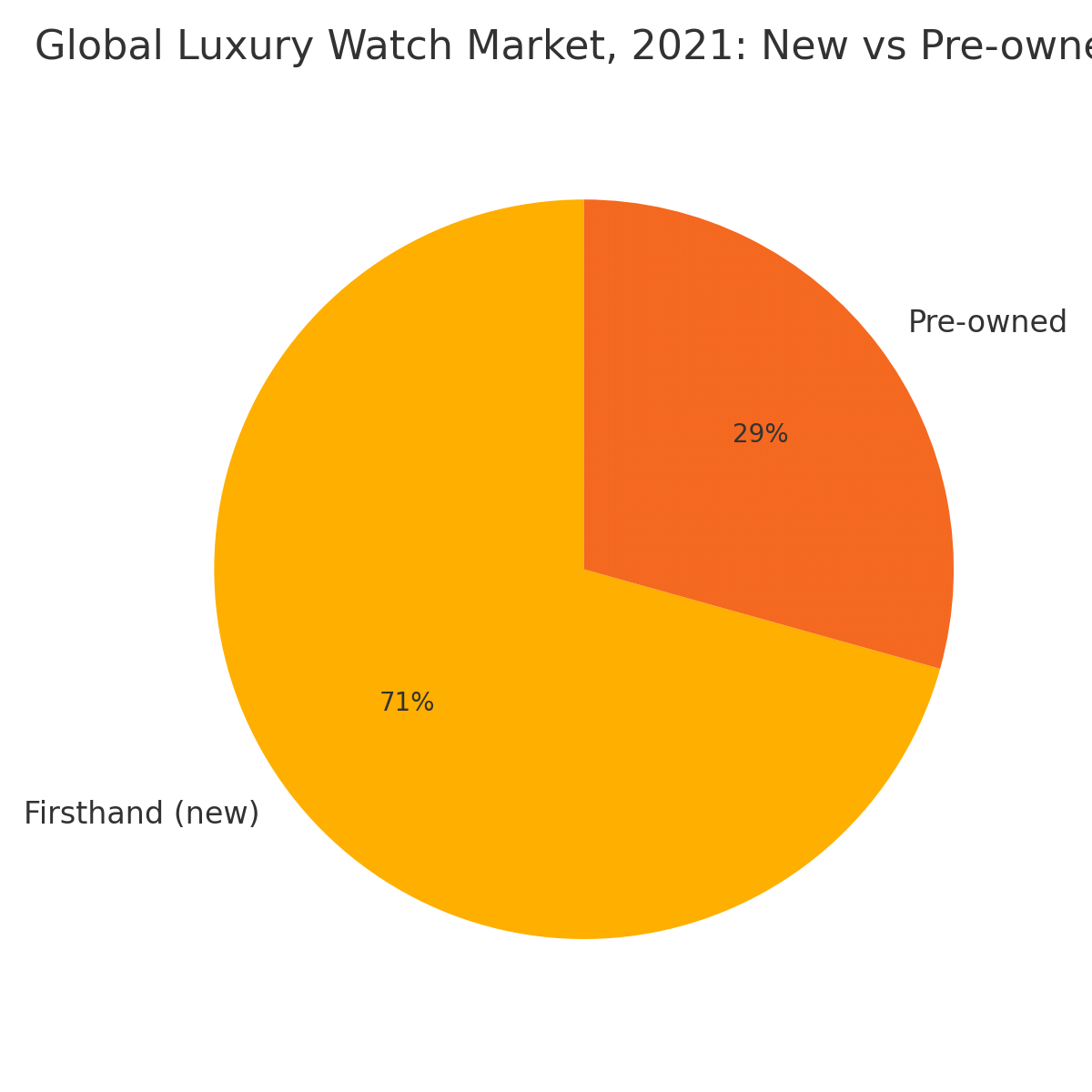
First, the pre-owned engine: from 2018 to 2023, prices for top models from the “big three” — Rolex, Patek Philippe, and Audemars Piguet — compounded at about 20% in the secondary market. Online channels are expected to carry a majority share of pre-owned transactions by the mid-2020s (see Luxury Pre-Owned Watches: Your Time Has Come | 2023).
Second, the primary market’s strength: Swiss watch exports reached record levels in 2022 and continued to grow through 2023. Brands tightened supply and tested new retail models — including certified pre-owned programs and strategic boutique acquisitions — all of which feed back into resale pricing and availability (see The Deloitte Swiss Watch Industry Study 2023 | 2024).
Explore curated listings and buyer guides on replicasrolexpro.
Price cycles you can actually use
Our transaction record translates into a three-act cycle most buyers have felt in their wallets:
- Foundation (2010–2015): Average realized prices rose from ≈ $2,050 to ≈ $7,185 — a 250% “base build” that raised floors, not just peaks.
- Consolidation (2015–2020): Growth slowed to ≈ 24% (to ≈ $8,897) as supply-demand frictions eased and earlier gains were absorbed.
- Surge & reset (2020–2025): Prices spiked to ≈ $17,206 (Mar 2022), then mean-reverted to ≈ $11,785 (Dec 2022) before stabilizing around ≈ $13,426 by mid-2025.
After the dust settled, liquidity remained — but buyers became pickier. Condition, completeness (box and papers), and modern calibres with longer service intervals now command steadier premiums than they did pre-2020.
| Phase | Avg. realized price (our data) | Market context |
|---|---|---|
| 2010–2015 | ~$2,050 → ~$7,185 | Pre-owned transparency grew; online platforms matured (BCG Exhibit 2) |
| 2015–2020 | ~$7,185 → ~$8,897 | Exports steady; waitlists built; premiums widened |
| 2020–2025 | Peak ~$17,206 → ~$13,426 | Post-pandemic spike then normalization; brands launched CPO and retail integration (Deloitte pp. 14, 33–35) |
Source: BCG (2023); Deloitte (2024)
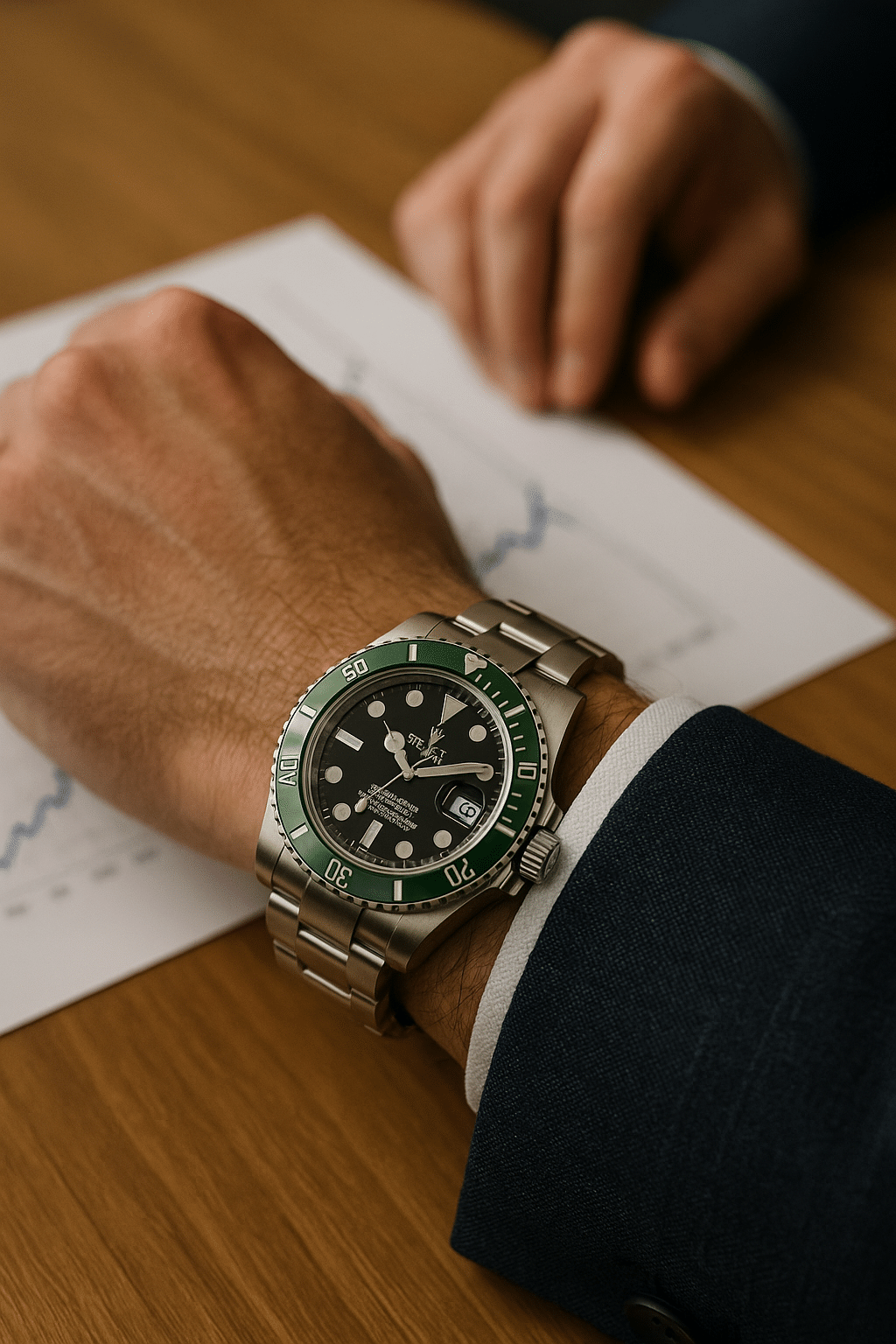
Where volume hides your edge
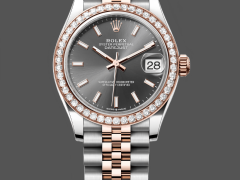
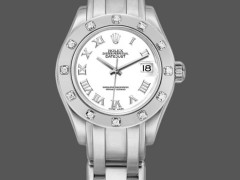
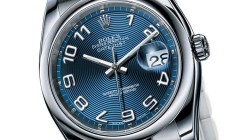
The Datejust remains the market’s “circulatory system.” It trades more than any other Rolex family in our data — which means patient buyers can be selective about bracelet type, bezel, and dial.
The Submariner and GMT-Master II follow: both are blue-chip sports lines with deep liquidity and long histories of rebounding quickly after corrections.
Datejust: steady climber, fewer headaches
From ≈ $2,000 (Aug 2010) to ≈ $5,399 (Dec 2015) and a ≈ $9,926 peak (Mar 2022), then easing to ≈ $8,500 by May 2025.
The surprise isn’t the pullback — it’s the muted volatility.
Takeaways:
- Practical spec upgrades such as Caliber 3235 (ref. 126334) or the solid-end-link 36 mm two-tone (ref. 116233) shorten days-to-sale without demanding sports-watch prices.
- The 36 mm renaissance is real. Classic-proportion two-tone (ref. 16233) models let you trade cosmetic condition for price without losing liquidity.
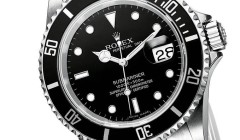
Submariner: still the benchmark
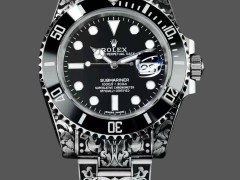
The line peaked near $18,889 (May 2022), bottomed around $13,602 (early 2023), and has since rebounded to ≈ $17,295 — about 92% of peak.
That quick correction and recovery make it the bellwether for steel sports.
Key choices:
- Pre-ceramic date (ref. 16610): lower entry, more variance in inserts and condition.
- Ceramic (ref. 116610 / 114060): tighter price bands and easier resale conversations.
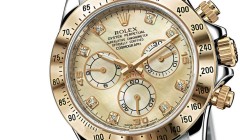
Daytona: trophy dynamics you can’t ignore
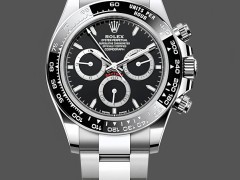
From ≈ $8,300 (2010) to a ~$53,911 peak (Mar 2022), then a reset to ≈ $27,642 (Jan 2023) with a rebound to ≈ $37,995.
Classic “trophy-premium” behavior: deeper drawdowns, elastic recoveries.
Buyers should prioritize completeness and service history to reduce price-spread risk.
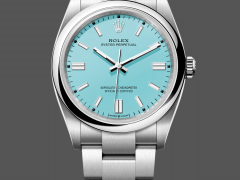
Oyster Perpetual: entry no more
From ≈ $1,600 (2010) to ≈ $12,031 at the 2022 peak, then leveling near ≈ $9,145 today.
Color trends re-priced the entire line. Focus on 39/41 mm modern references (114300, 124300) with your preferred dial rather than chasing the loudest variants.
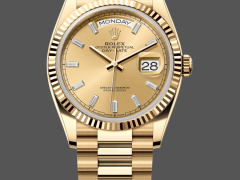
Day-Date: precious-metal logic
From ≈ $9,245 (2010) to a ≈ $33,118 peak (Oct 2021) and ≈ $24,718 today.
Gold models rose less in 2022 and therefore gave back less.
The 18038 / 18238 generation balances serviceability and vintage charm while offering transparency on bracelet stretch and dial originality.
GMT-Master II: travel function meets investment logic
From ≈ $3,400 (2010) to ≈ $23,992 (Nov 2021), now ~14% below that level.
Its resilience stems from utility plus iconic bezels.
When comparing 116710, 16710, and 126710, balance simplicity (aluminium + lower service cost) against modern build (ceramic + Jubilee options).
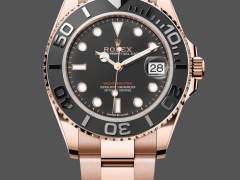
Yacht-Master: the “between worlds” play
From ≈ $4,995 (2010) to ≈ $21,900 (Apr 2022), then stabilizing around ≈ $15,613.
Rolesium variants (16622 / 116622 / 126622) offer sport styling, dress versatility, and rational premiums for platinum bezels.
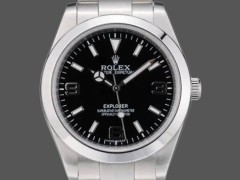
Explorer & Explorer II: tool-watch patience
Appreciated steadily without theatrics.
Peak-to-present drawdowns were milder than for chronographs or GMTs.
Today’s ≈ $9,600 level shows that the market values restraint.
Ref. 16570 remains the liquidity leader; 214270 delivers “modern classic” balance; 226570 adds the latest movement and proportions.
Other families at a glance
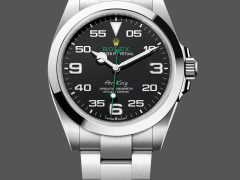
- Air-King: The 2016 redesign elevated it beyond “entry-only” status; sits ~$7,635 after 2022 highs.
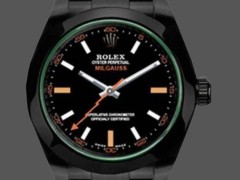
- Milgauss: Antimagnetic niche, consistent interest; averages ~$10,531, with green-crystal versions leading.
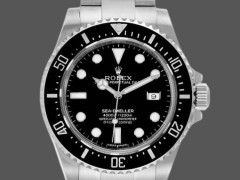
- Sea-Dweller: A diver’s diver; ~$13,145 today, about 2× its 2010 baseline.
- Date (34 mm): Slower, steadier ~200% gain over 15 years — a friendly entry for first-time buyers.
| Reference | Why it led | Total gain |
|---|---|---|
| Submariner 116610 | Ceramic bezel + daily-wear durability | ~335% (2011–2025) |
| GMT-Master 1675 | Vintage bezel lore + broad collector base | ~325% |
| GMT-Master II 16710 | Dual-time versatility + insert variety | ~303% |
| Datejust 16014 | Classic fluted bezel + steel bracelet | ~302% |
| Day-Date 1803 | Gold “President” prestige | ~301% |
| GMT-Master II 16713 | Two-tone design regained appeal | ~288% |
| Air-King 14000 | Simple design now collectible | ~281% |
| GMT-Master 16700 | Robust travel watch at sane sizes | ~254% |
| Submariner 5512 | Vintage tool-watch pedigree | ~249% |
| Datejust 1601 | Two-tone classic, steady demand | ~238% |
Source: Bob’s Watches internal sales data (2010–2025)
Why the resale market matters more than ever
Three practical dynamics connect brand showrooms to pre-owned pricing:
- Scarcity & speed: Sports models sold faster (15–30 days on average), while dress lines lingered longer. Certified pre-owned programs and tighter retail control in 2022–2023 improved buyer confidence and pricing discipline (Deloitte pp. 14, 33–35).
- Macro tailwinds: Pre-owned watch prices matched or beat major equity benchmarks during stress periods. Online platforms are projected to capture ~60% of trading volume by 2026 (BCG pp. 3–4).
- Liquidity begets trust: Record exports and sustained luxury demand through 2023 kept resale liquidity high, tightening bid–ask spreads on core references.
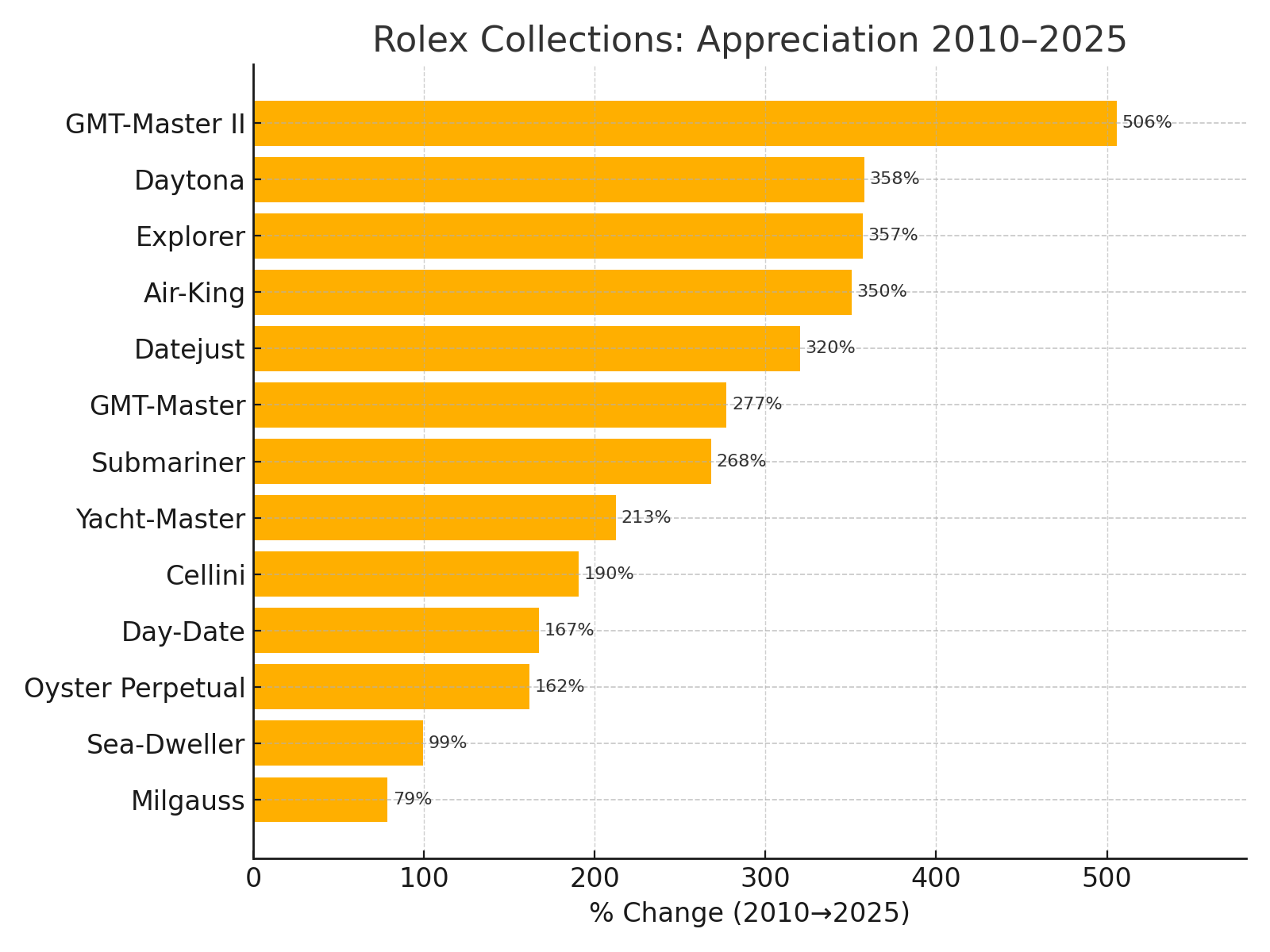
Collection leaderboard — change that held
Our 2010 → 2025 appreciation table still surprises first-time readers: GMT-Master II (~506%) tops the list, followed by Daytona (~358%) and Explorer (~357%). The common thread isn’t hype; it’s usefulness plus identity. Travel-timers, chronographs, and tool watches earned their premiums the hard way — by being worn.
Method notes you can trust
The analysis covers every Rolex transaction we completed between July 2010 and June 2025. Data are aggregated monthly to smooth out noise, then segmented by collection and reference. Results are cross-checked against two industry yardsticks: the multi-year performance and online-share charts for pre-owned watches (BCG pp. 2–5) and the export/channel data from the Deloitte Swiss Watch Industry Study (pp. 5–10, 14).
Key takeaways
- The 2020–2022 surge reset floors across collections; the 2023–2025 stabilization showed which floors were real.
- Blue-chip steel sports recovered fastest; precious-metal lines corrected less; entry models were re-priced upward and held.
- Transaction speed, documented service history, and bracelet/origin completeness now matter more than ever.
FAQ
Q1. Is the Rolex market still investable after the 2022 peak?
Yes — if you focus on liquidity and documentation. Our 2023–2025 data show resilient floors for Submariner and GMT-Master II, while Daytona remains the most elastic: bigger swings, strong long-term demand.
Q2. How do broader industry trends affect resale prices?
Record export values and improved retail control strengthened resale confidence. Brand-backed authentication and growing online penetration expanded buyer bases and narrowed spreads.
Q3. What’s the practical difference between pre-ceramic and ceramic Submariners?
Pre-ceramic (e.g. 16610) shows more variance in insert wear and refinishing, resulting in wider price ranges. Ceramic (e.g. 116610 / 114060) models trade in tighter bands with easier comps and faster resale.
Q4. Which Datejust configuration holds value best for first-time buyers?
A 36 mm fluted bezel on a Jubilee bracelet with a modern calibre is the sweet spot: broad demand, classic proportions, and plenty of comparable listings.
Q5. Are certified pre-owned programs worth the premium?
For newer buyers or trophy models, yes. Standardized inspection and brand-backed assurance often offset the premium by reducing the risk of costly surprises later.
References
- Luxury Pre-Owned Watches: Your Time Has Come (BCG, 2023)
- The Deloitte Swiss Watch Industry Study 2023 (Deloitte, 2024)
Author Bio
The author is a watch-market analyst and former operator in the secondary watch trade. He advises retailers and funds on pricing, liquidity, and certified pre-owned strategies across Swiss brands.
Prefer reading in German? Check out the German version of this article: Vom Hype zur Struktur: Wie der Rolex-Markt zwischen 2010 und 2025 reifte .