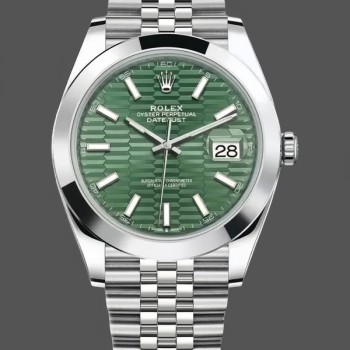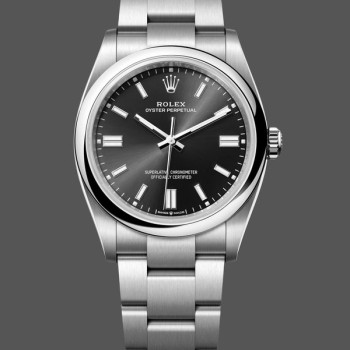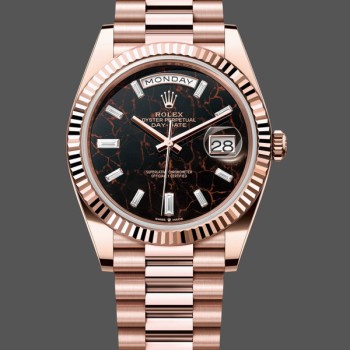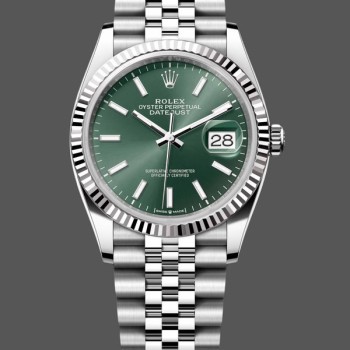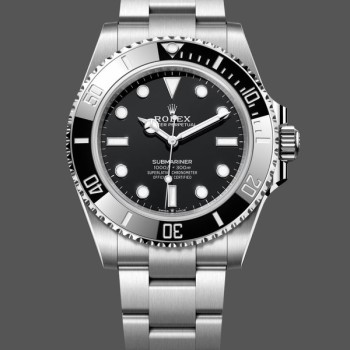
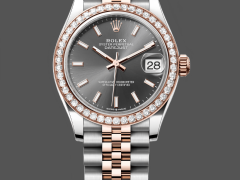
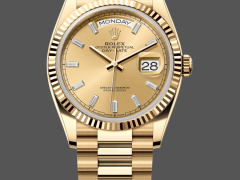
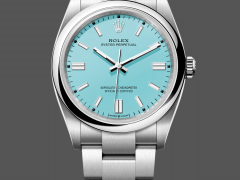
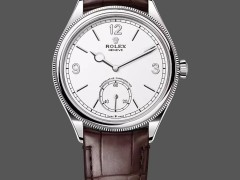
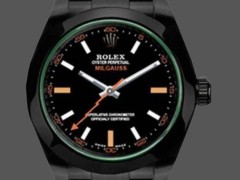
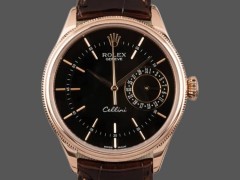
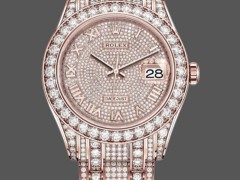
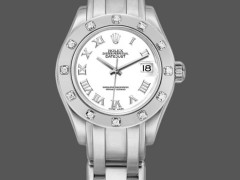
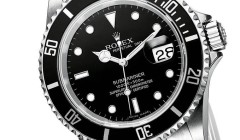
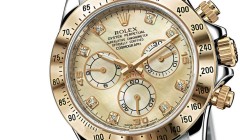
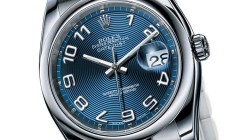


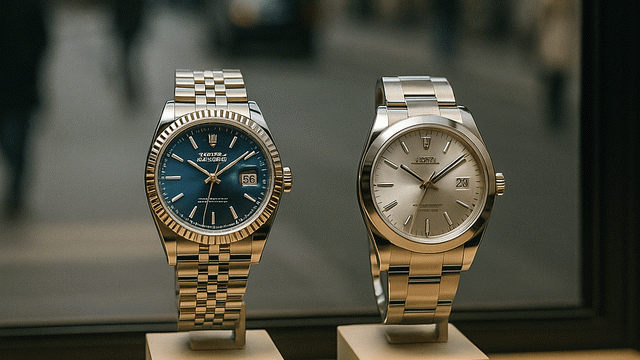
From a 1945 celebration piece to the one watch you can wear to breakfast, boardrooms, and beach days—here’s how to choose a Datejust without guesswork.
Why this design still works when everything else chases trends
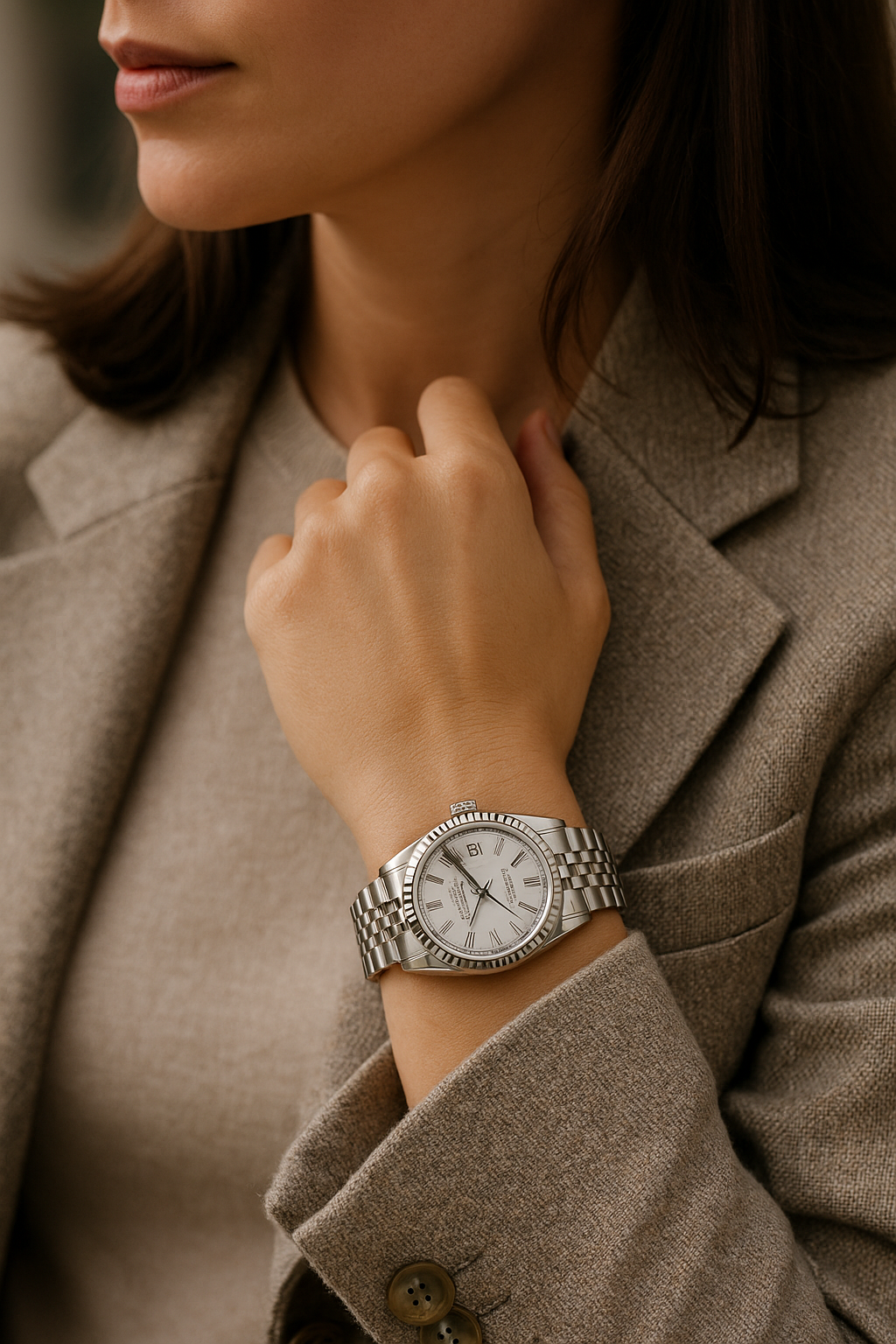
If you strip the Datejust to its bones, you’re left with three ideas that never stop being useful: a tough Oyster case you don’t baby, a date you can read at a glance, and bracelets that move with you rather than fight your sleeve. That’s why it still serves as a “one-watch wardrobe.” You see the same effect across genders now: women borrow classic 36 mm pieces, men downsize for elegance, and the 31 mm hits a sweet spot for both. That cross-wearing isn’t a marketing slogan; it’s the way people actually style their watches today (Rolex for Women: The Ultimate Guide to Ladies' Rolex Watches|2025).
Fit first, then dial: decoding sizes you’ll actually enjoy
Walk into a boutique, try a 36 on your wrist, then a 41 with a smooth bezel. Notice how the slimmer lugs on modern models keep the larger watch from feeling like a dinner plate. If you need a mental model: fluted bezels read bigger, Jubilee bracelets read dressier, Oyster bracelets read sportier. Pick feel over photos.

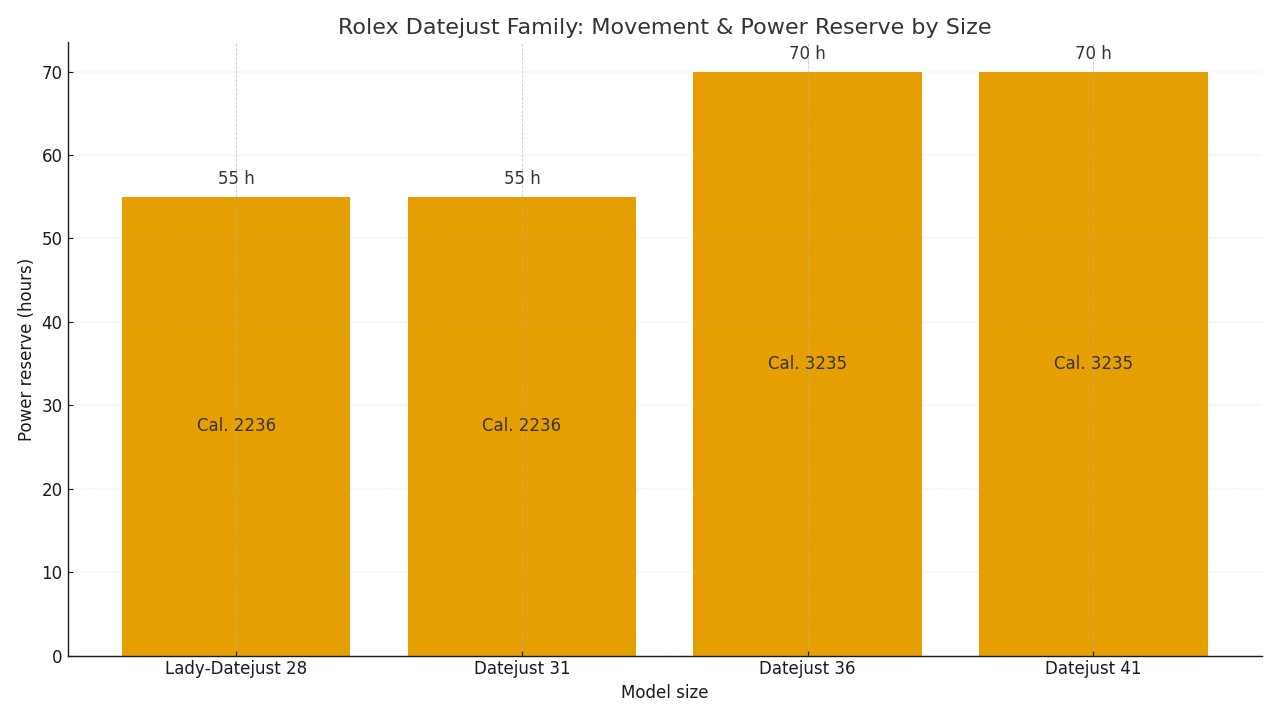
Quick size and movement map
| Model size | Typical movement | Power reserve | Bracelets | Wear notes |
|---|---|---|---|---|
| 28 mm (Lady-Datejust) | Cal. 2236 | ~55 h | Jubilee / President | Compact, jewelry-leaning, magnetic-resistant Syloxi hairspring |
| 31 mm | Cal. 2236 | ~55 h | Jubilee / President / Oyster | Unisex small; classic Datejust language in a tighter footprint |
| 36 mm | Cal. 3235 | ~70+ h | Jubilee / Oyster | The iconic proportion; reads larger with fluted bezel |
| 41 mm | Cal. 3235 | ~70+ h | Jubilee / Oyster | Modern presence; slimmer lugs than Datejust II for easier wear |
SOURCE: The Complete Guide to the Rolex Datejust (2025)
Milestones that help you read a listing in 10 seconds
Here’s the cheat sheet that turns a random product page into something you can evaluate. Debut in 1945; Cyclops lens arrives in 1953; Turn-O-Graph/“Thunderbird” with rotating bezel in 1954; Lady-Datejust in 1957; integrated-look Oysterquartz in 1977; bold Datejust II in 2009; refined Datejust 41 in 2016. One recent datapoint worth pocketing: an 18k yellow-gold Datejust ref. 69178 with full set changed hands for 9,000 USD in June 2024—use it as a sanity check when weighing solid-gold vintage versus modern steel with upgrades (The Complete Guide to the Rolex Datejust|2025).
A reference map you can carry into a negotiation
| Era / references | Approx. years | Movement | Crystal / lume | Key tells | Why it matters |
|---|---|---|---|---|---|
| 4xxx/5xxx/61xx/63xx | Mid-1940s–mid-1950s | Cal. 740 | Acrylic / radium | “Bubbleback” casebacks; many roulette date wheels | Early DNA and charm; usually pricier to service |
| 66xx | ~1957 onward | Cal. 1065 | Acrylic / radium | Flatter back; instant date jump | Transitional elegance; thinner profiles |
| 16xx | ~1959–1977 | Cal. 1560/1570 | Acrylic / tritium (later) | Non-quickset; pie-pan dials common | Vintage vibe; great value if you accept slower setting |
| 160xx | 1977–1988 | Cal. 3035 | Acrylic / tritium | First quickset date | Daily-friendly vintage sweet spot |
| 162xx | 1988–mid-2000s | Cal. 3135 | Sapphire / tritium→LumiNova→SL | Better bracelets; tougher cases | “Modern-vintage” that takes knocks |
| 1162xx | Mid-2000s | Cal. 3135 | Sapphire / SL | Broader lugs; polished centers | Contemporary shine, familiar size |
| 1163xx (Datejust II) | 2009–2016 | Cal. 3136 | Sapphire / Chromalight | 41 mm, thicker lugs, wider bezel | Graphic presence; strong value used |
| 1263xx (DJ 41) | 2016– | Cal. 3235 | Sapphire / Chromalight | Slimmer lugs; 72 h reserve | Best modern 41 for cuffs and T-shirts |
| 1262xx (DJ 36) | 2018– | Cal. 3235 | Sapphire / Chromalight | Classic look, new-gen caliber | The “set-and-forget” 36 mm |
SOURCE: The Complete Guide to the Rolex Datejust (2025)
What your eyes perceive vs. what the calipers say
You can shrink or grow a Datejust visually without changing case size. That’s useful if you love a 36 but want more presence, or you like a 41 but want it to disappear under a cuff.
| Bezel | Bracelet | Perceived size | Best if you want | Notes |
|---|---|---|---|---|
| Fluted | Jubilee | Largest | Sparkle and dress presence | Light play adds drama in photos and in person |
| Smooth | Oyster | Smallest | Under-the-radar daily | Tool-leaning look; easy refinishing at service |
| Smooth | Jubilee | Medium | “Rolex” feel without flash | Comfort plus subtle shine |
| Fluted | Oyster | Medium-large | Sport-dress hybrid | Balanced stance; sharper profile |
SOURCE: Author analysis (2025)
A two-minute check that saves you money later
- Date should snap at midnight, not stroll there over an hour.
- Cyclops should center the date; misalignment is a red flag.
- Crown threads should “bite” immediately when you screw down—no gritty feel.
- Lume language matters: “T SWISS T” (tritium) versus modern “SWISS MADE.” Dial, hands, and era should agree.
- Bracelets stretch. That’s normal. Prioritize tight center links and correct end-links; replacing a tired Jubilee with a period-correct service bracelet is fair play for a daily wearer.
- Papers aren’t just paper. Warranty cards and service slips lock in provenance and make future service conversations easier.
New vs. pre-owned without the hand-wringing
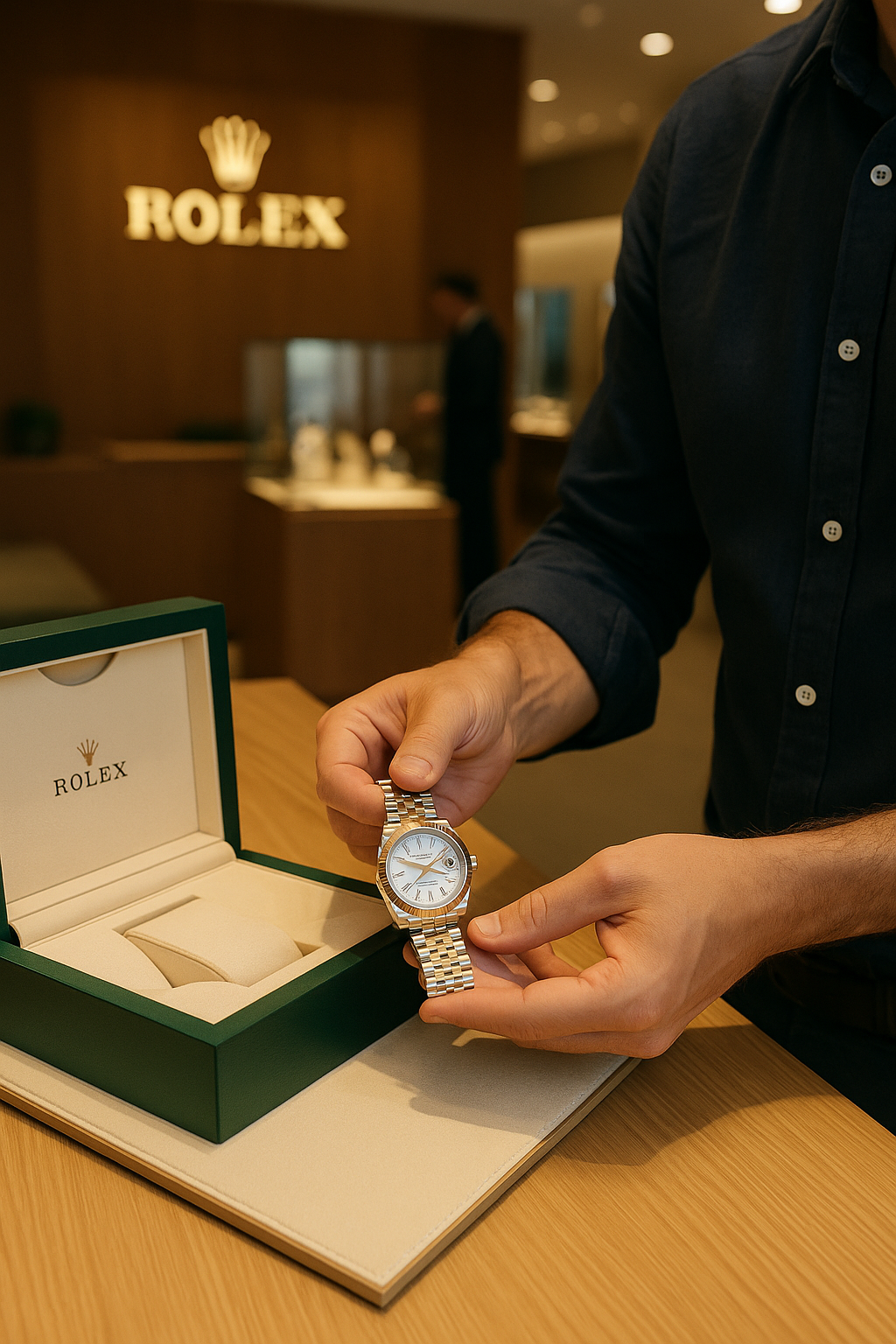
- New gets you instant provenance, factory warranty, and a service path that any official center understands.
- Pre-owned unlocks discontinued dials (think sunburst champagnes and textured specials), the bolder Datejust II silhouette, and the integrated-look Oysterquartz.
- Shopping used? Buy the seller. Ask for time-grapher results, macro shots of dial text and date wheel fonts, and photos showing crisp lug geometry rather than over-polished shine.
Real-world wear tips from the fitting room
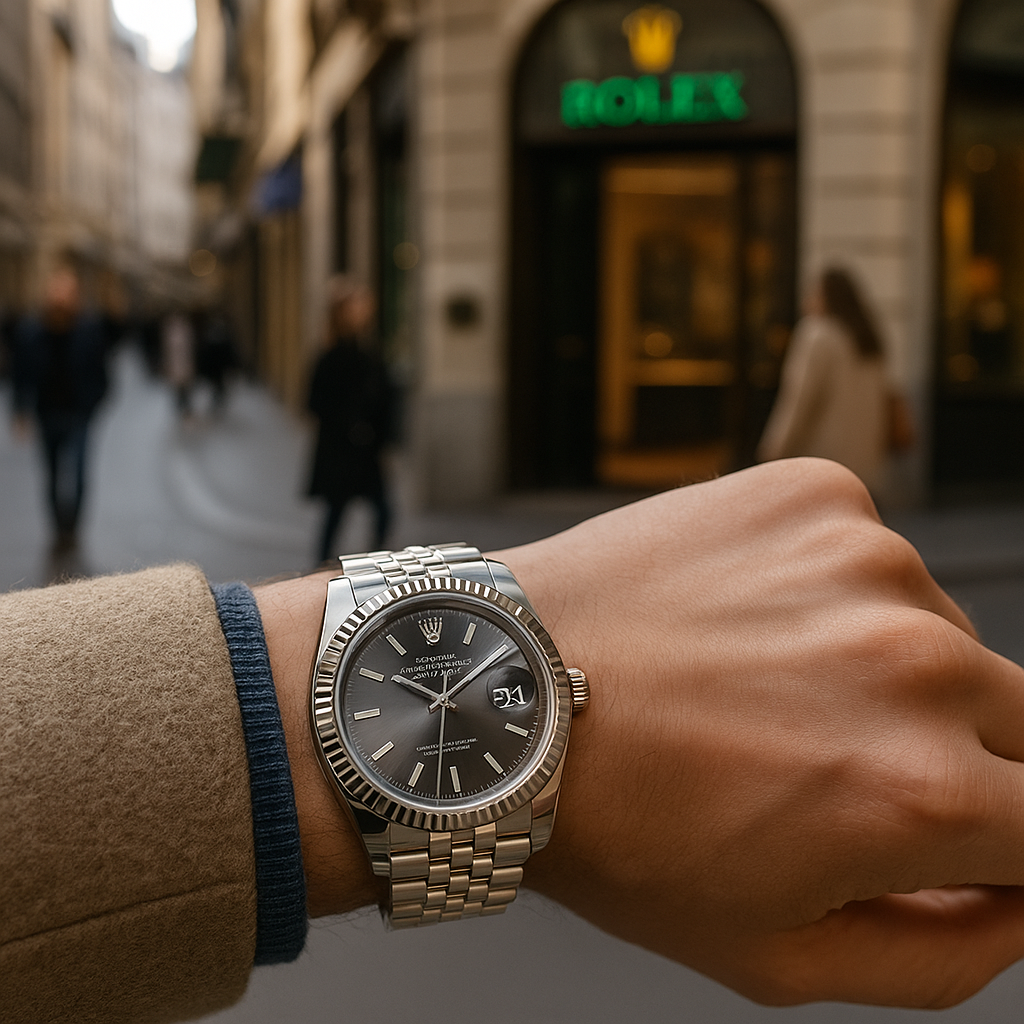
I hand you a 41 with a smooth bezel on Oyster, then swap in a fluted Jubilee 36. Nine times out of ten, you’ll say the smaller watch looks bigger. That’s bezel physics, not magic. Try both on your wrist, not just on your screen (Rolex for Women: The Ultimate Guide to Ladies' Rolex Watches|2025).
Who should pick what—four clear lanes
- Minimal-maintenance owner: Datejust 36/41 with Cal. 3235, smooth bezel, Oyster bracelet—70-plus hours off-wrist, then straight back on time.
- Vintage-soul wearer: 16xx or 160xx with pie-pan dial; accept the slower date set for acrylic warmth and tritium tone.
- Jewelry-first dresser: Lady-Datejust or 31 mm in precious metal or diamond dials; it behaves like fine jewelry but keeps chronometer time.
- Statement-maker: Datejust II or a DJ 41 with fluted Jubilee—if you like a tailored jacket to look like a tailored jacket, this is the watch equivalent.
Price sense you can actually use
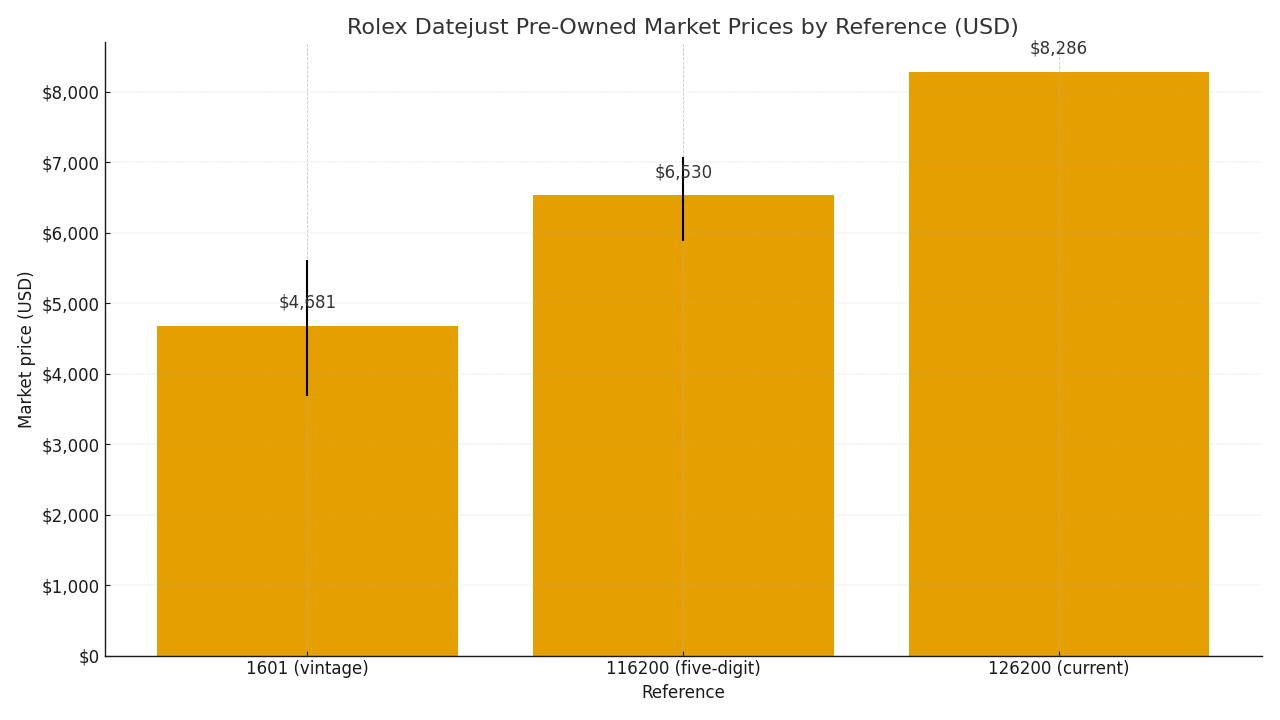
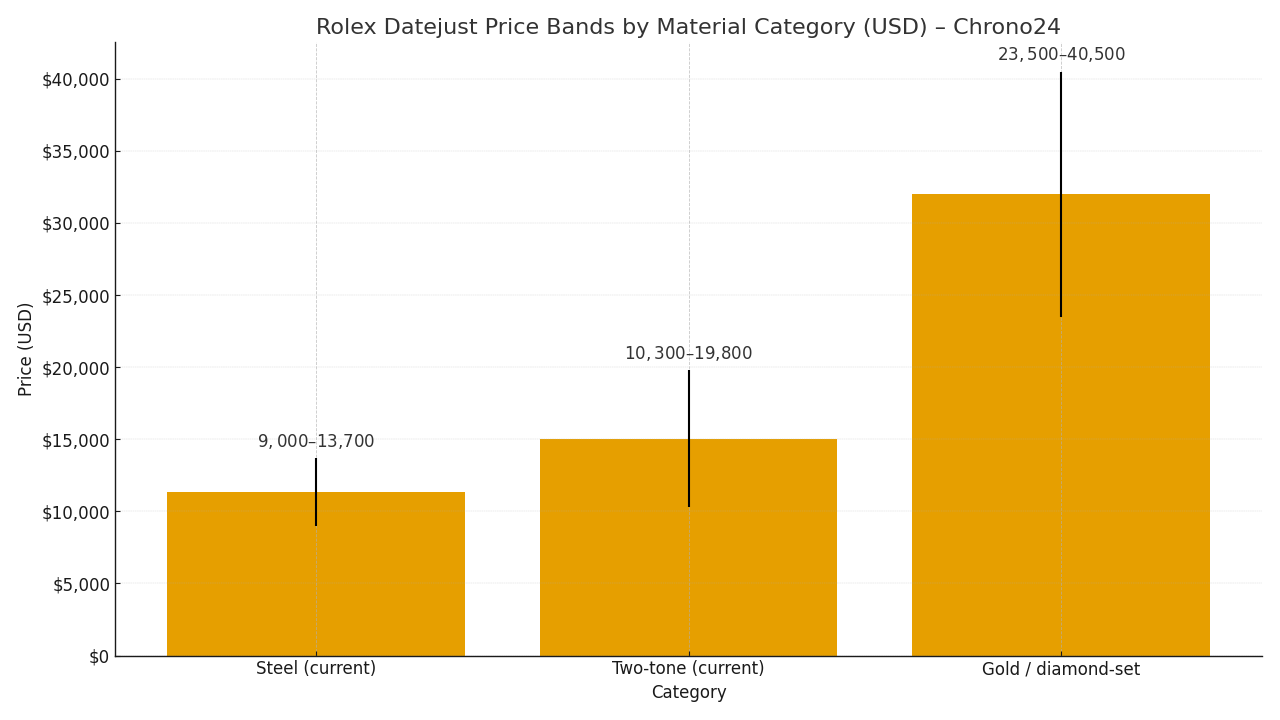
One useful anchor: an 18k yellow-gold 69178 with full set sold for 9,000 USD in June 2024. That’s a clean reference point when comparing older precious-metal pieces to modern steel at retail or pre-owned (The Complete Guide to the Rolex Datejust|2025). Explore more models and insights at replicasrolex.
FAQ
Q: Is 36 mm too small if I wear sports watches?
A: Try a fluted-bezel Jubilee 36. The light play makes it read larger. If you still want more dial, a smooth-bezel 41 on Oyster wears smaller than you expect.
Q: What’s the everyday advantage of Cal. 3235 vs. 2236?
A: 3235 (36/41 mm) stretches to about 70+ hours and uses the Chronergy escapement; 2236 (28/31 mm) offers around 55 hours with the Syloxi hairspring for magnetic resistance.
Q: How different is the Datejust II from the Datejust 41 on-wrist?
A: Same diameter, different attitude. The II uses thicker lugs and a wider bezel for a chunkier read; the 41 trims those for easier cuff-sliding.
Q: I’m buying vintage. What upgrade won’t hurt value?
A: A correct service bracelet or a new clasp spring. Keep every original part in the box; originality is the asset you can’t repurchase.
Q: Any quick tell for over-polished cases?
A: Look at the lugs from the top: soft, melted edges and missing chamfers usually mean heavy polishing. Crisp brushing that ends cleanly at a bevel is what you want.
References
Rolex for Women: The Ultimate Guide to Ladies' Rolex Watches (2025)
The Complete Guide to the Rolex Datejust (2025)
Author Bio
Written by James Cartwright, a watch specialist and former auction-house cataloger who has authenticated and described hundreds of modern and vintage Rolex pieces. He advises private collectors on reference selection, originality, and long-term care.
Related Products