


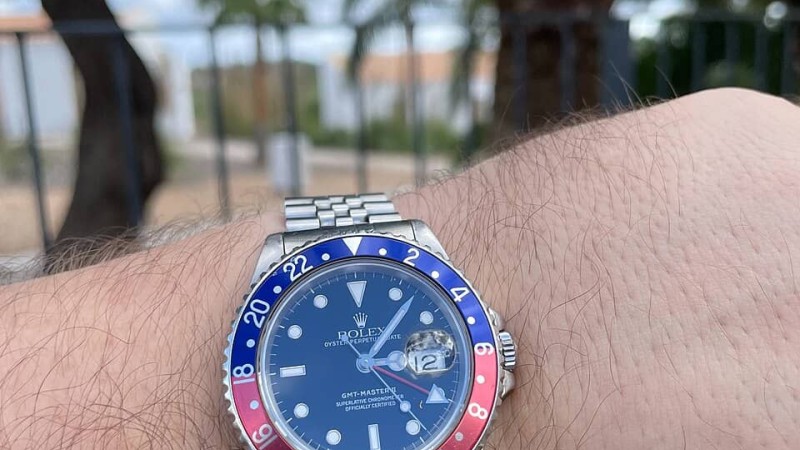
Rethink the “wait list” in 2025—what’s hype and what actually happens
You’ve heard the horror stories: five birthdays go by before a Daytona shows up. Some of that talk is exaggerated, but the core pressure is real. In 2025, steel sports demand is still heavy, yet the picture is uneven by city, boutique, and buyer history. Think of it like airport security lines: one terminal crawls, another moves briskly. If you learn how allocations are made—and where you can flex—you stop guessing and start making progress. (The Rolex Waiting List Explained: 2025 Edition, 2025)
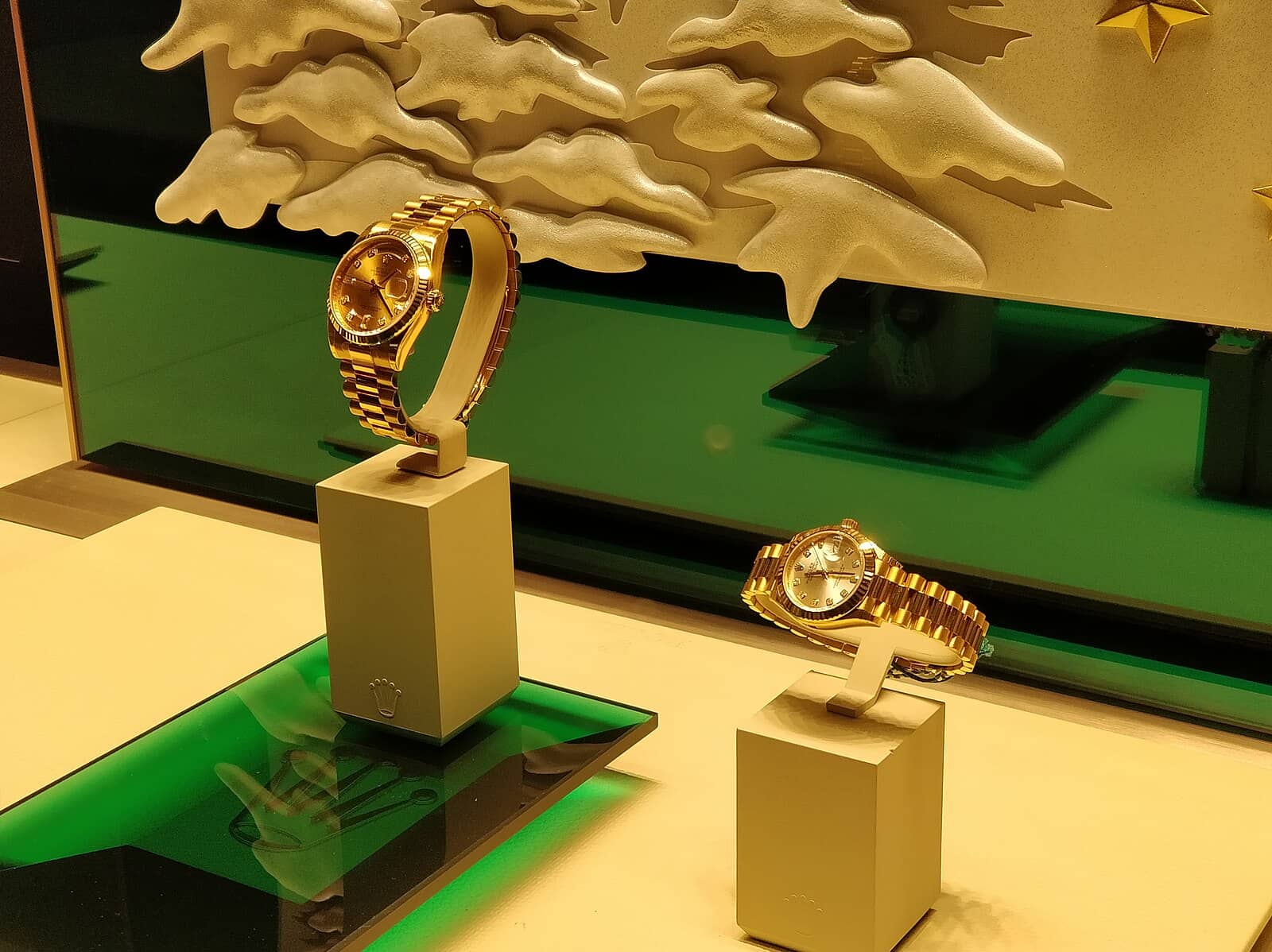
It’s not a number queue; it’s a relationship play
Most authorized dealers don’t process names strictly first-come, first-served. They keep an interest file and call people who seem like long-term owners: locals who show up, ask specific questions, and stay consistent. If two people leave their details on the same day, the one who checks in with purpose—“I’m after a black 41 mm Sub on Oyster; happy with either date or no-date”—usually looks easier to help than the one who says “anything steel.” The takeaway is simple: your behavior shapes your odds. Show you’ll wear the watch, not flip it, and you become the person they can confidently call on a Tuesday afternoon. (The Mystery of Rolex Waiting Lists – Fact or Fiction?, 2025)
Why “more watches” still doesn’t mean “your watch”
Rolex builds a lot of watches, but output is split across many references, metals, and dial variants. Deliveries arrive in batches. One week, a store sees Datejusts; the next, hardly any steel GMTs. On top of that, local tastes skew the pipeline. In one city, blue dials fly; in another, black bezels rule. That’s why you’ll hear two friends in the same country tell very different stories. What matters to you is timing and fit: a store is more likely to allocate when the watch they have lines up with a clear request you made earlier.
Pick your metal, change your odds
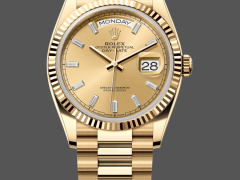
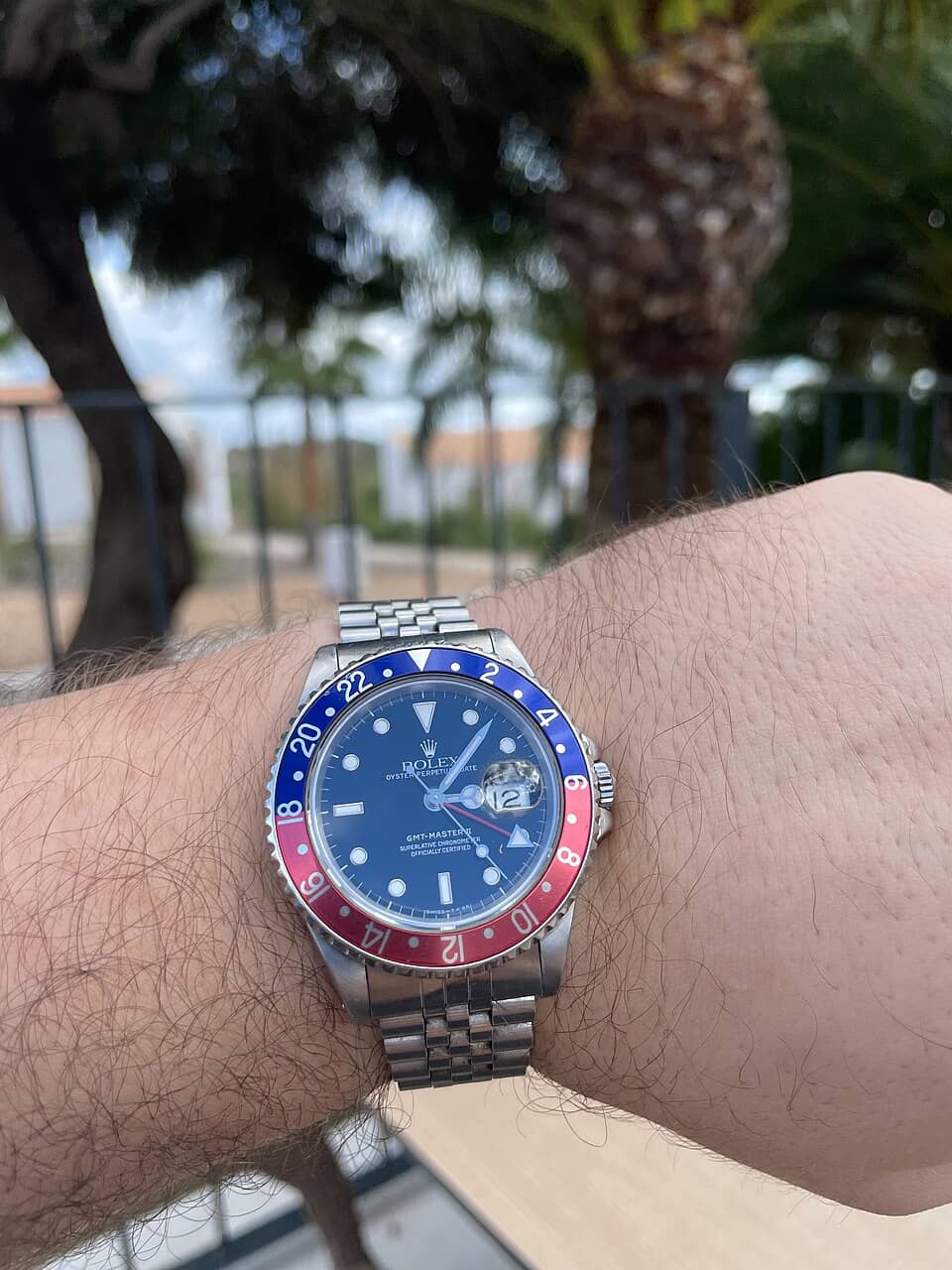
If you aim straight at the most wanted steel sports references—black-bezel Submariner, white-dial Daytona, “Pepsi” GMT—expect to compete with many people like you. Rolesor or precious-metal versions widen the path. They still carry wait times, but you’ll often see movement faster, especially if you’re flexible on dial or bracelet. If building a relationship is part of your plan, choosing a Rolesor watch you’ll actually wear can start your history without the multi-year grind.
Capacity is rising, but the line won’t vanish
New facilities and training pipelines are designed to smooth supply, not turn every hot steel model into a same-day pickup. The practical effect you’ll feel first is fewer extreme droughts in core lines and steadier availability of mainstream configurations. The absolute hardest references will remain curated; they’re signals for the brand and for boutiques, not volume drivers.

Make yourself easy to call—practical moves that work
- Be specific and local: one or two references, your size, your dial.
- Show up with intent: try pieces on, ask grounded questions, leave a card, and set a friendly follow-up cadence (every few weeks beats daily pings).
- Speak like an owner: avoid investment talk; explain how and when you’ll wear the watch.
- Skip deposits for uncertainty: reputable stores rarely take them for allocations.
- Read the room: if a list is closed, widen your radius to another boutique rather than pushing.
Reality check by model family—where waits still bite
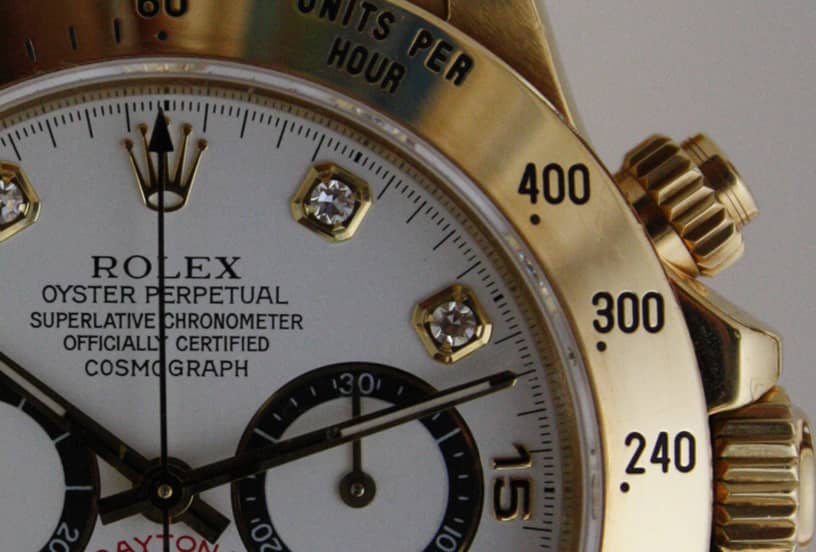
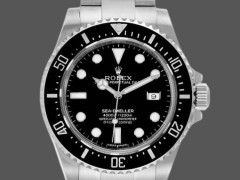
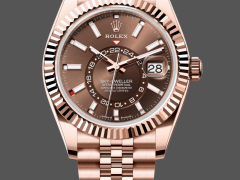
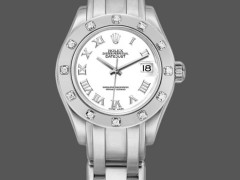
The Daytona remains the toughest assignment in 2025, particularly in steel. Sky-Dweller in popular dials and specific GMT-Master II variants can test patience without prior history. Meanwhile, many Datejust configurations, two-tone Submariners, and several ladies’ models tend to move faster.
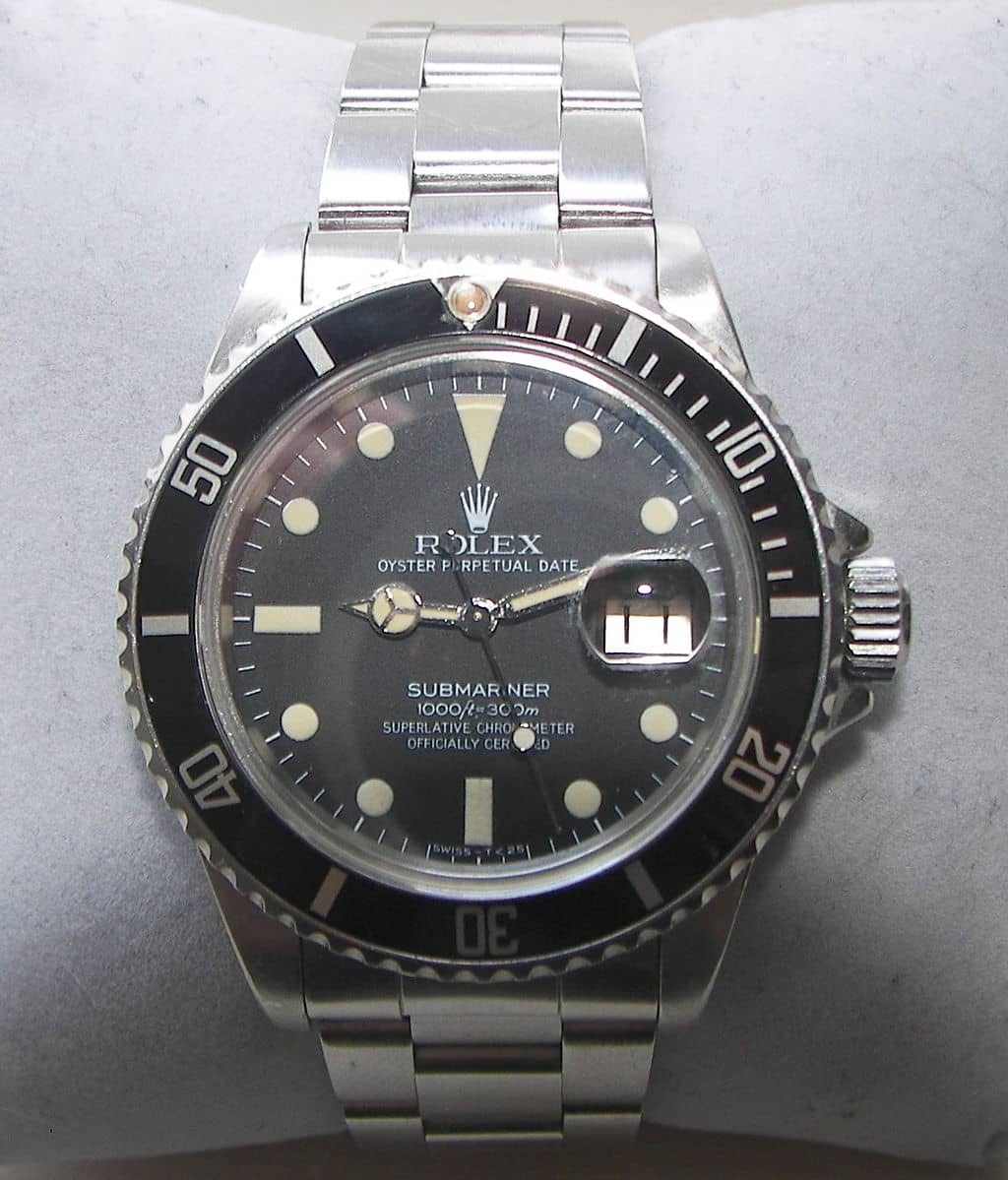
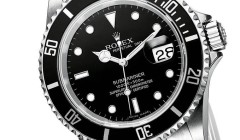
If your heart is set on a classic black Submariner, you may find cleaner paths now than in 2021–2022, though green-accent variants often take longer.
Estimated AD wait ranges for 2025 (typical, not official)
| Model family | Stainless steel (typical) | Rolesor / gold (typical) | Notes |
|---|---|---|---|
| Submariner | ~3 months–2 years (green-accent up to ~3 years) | ~2–12 months (Rolesor); ~0–10 months (solid gold) | Steel easing vs. 2021–22 |
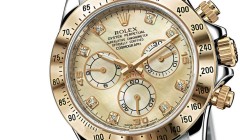
| Daytona | ~1–5+ years (white-dial often longer) | ~6–24 months (two-tone or gold) | Special runs are tightly curated |
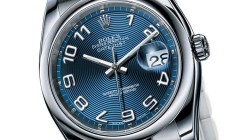
| Datejust | ~2 months–2–3 years by size/bezel/dial | ~0–10 months (ladies’ often faster) | Fluted/Jubilee/mint/blue can extend waits |
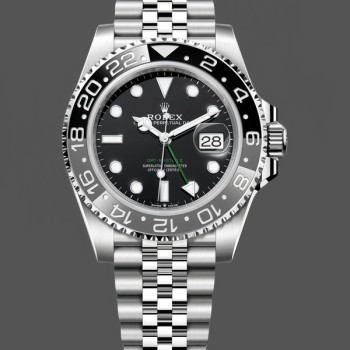
| GMT-Master II | ~6 months–4 years | ~0–12 months (two-tone/gold) | “Pepsi” toughest; others vary |
| Sky-Dweller | ~6 months–3+ years (hot dials) | ~0–12 months | Movement updates boosted demand |
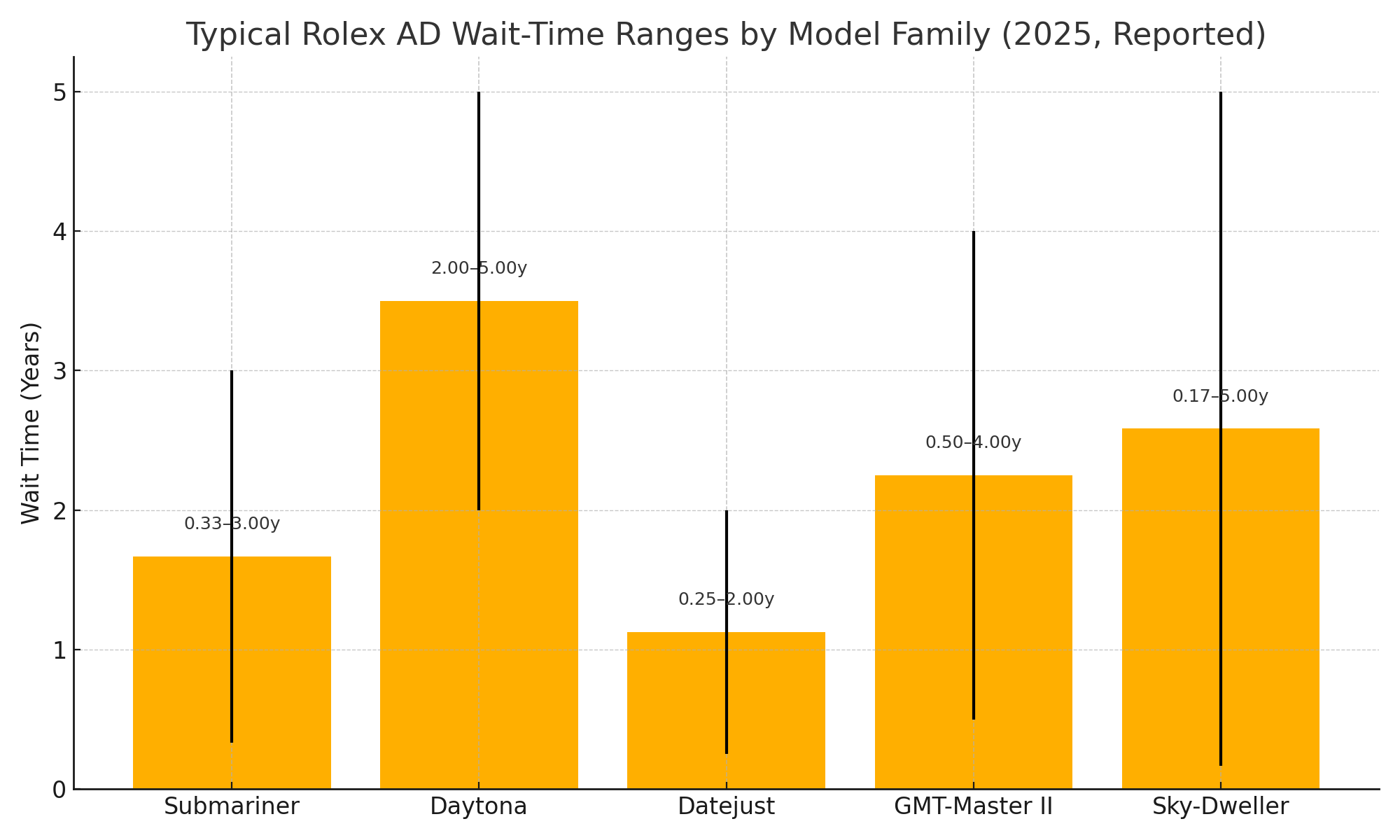
SOURCE: The Rolex Waiting List Explained: 2025 Edition (2025)
Production context—why supply smoothing helps but doesn’t erase scarcity
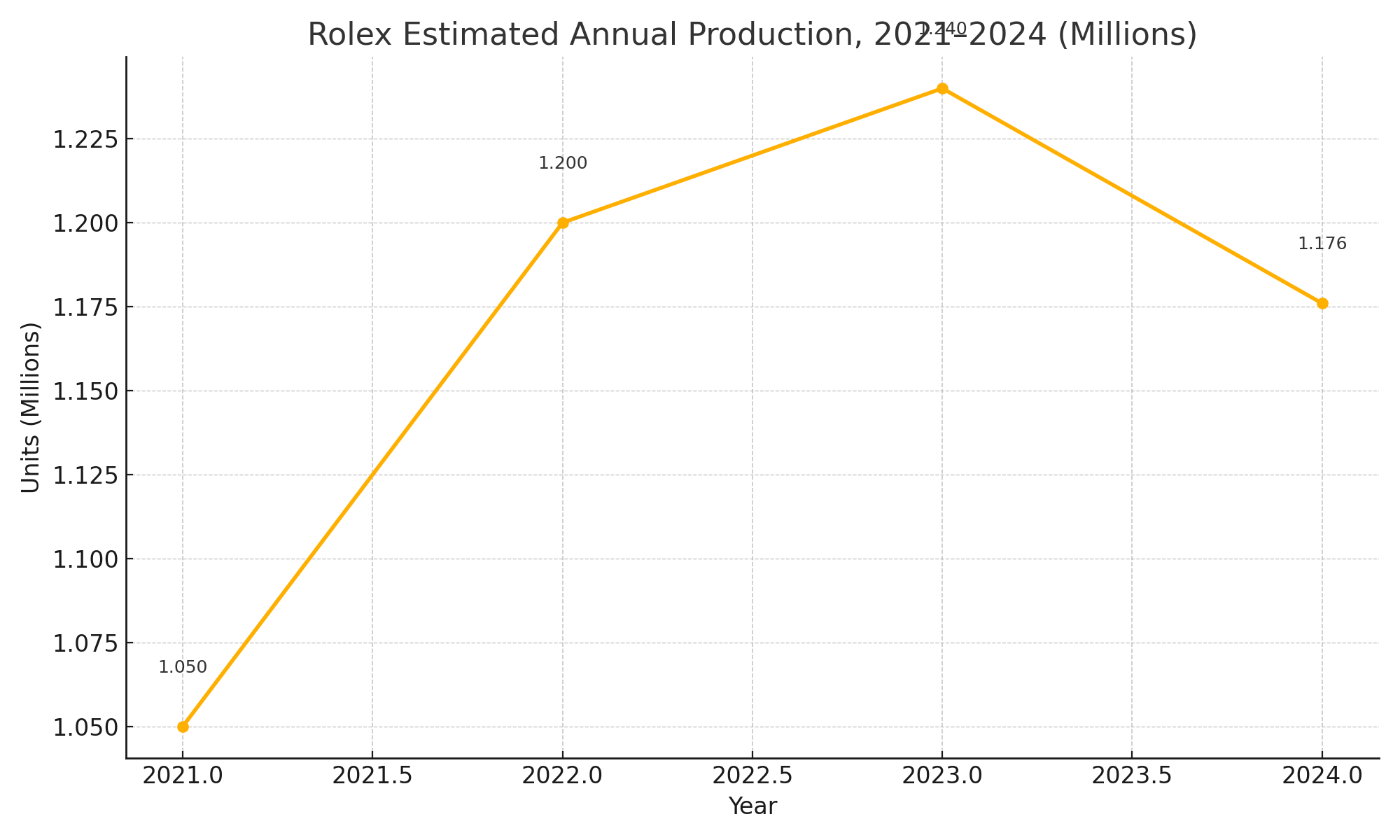
| Year | Estimated Rolex unit output | What changed |
|---|---|---|
| 2021 | 1,050,000 | Post-pandemic demand spiked; steel backlog built |
| 2023 | 1,240,000 | Peak estimates; hard references stayed constrained |
| 2024 | 1,176,000 | Fewer units, higher value mix; premiums normalized in parts of catalog |

SOURCE: Morgan Stanley & LuxeConsult Top 50 Swiss Watch Brands (2024)
Shorten your path without overspending
- Trim the ask: one configuration is faster to match than “anything steel.”
- Expand the map: two nearby ADs can have wildly different flows; being truly local to both helps.
- Build credibly: pick a Rolesor or precious-metal piece you’ll wear; history only helps if it looks like ownership, not trading.
- Be reachable: when “the call” comes, speed matters—keep a same-day pickup window when possible.
- Keep a paper trail: clean notes and polite check-ins make it easy for sales staff to champion you.
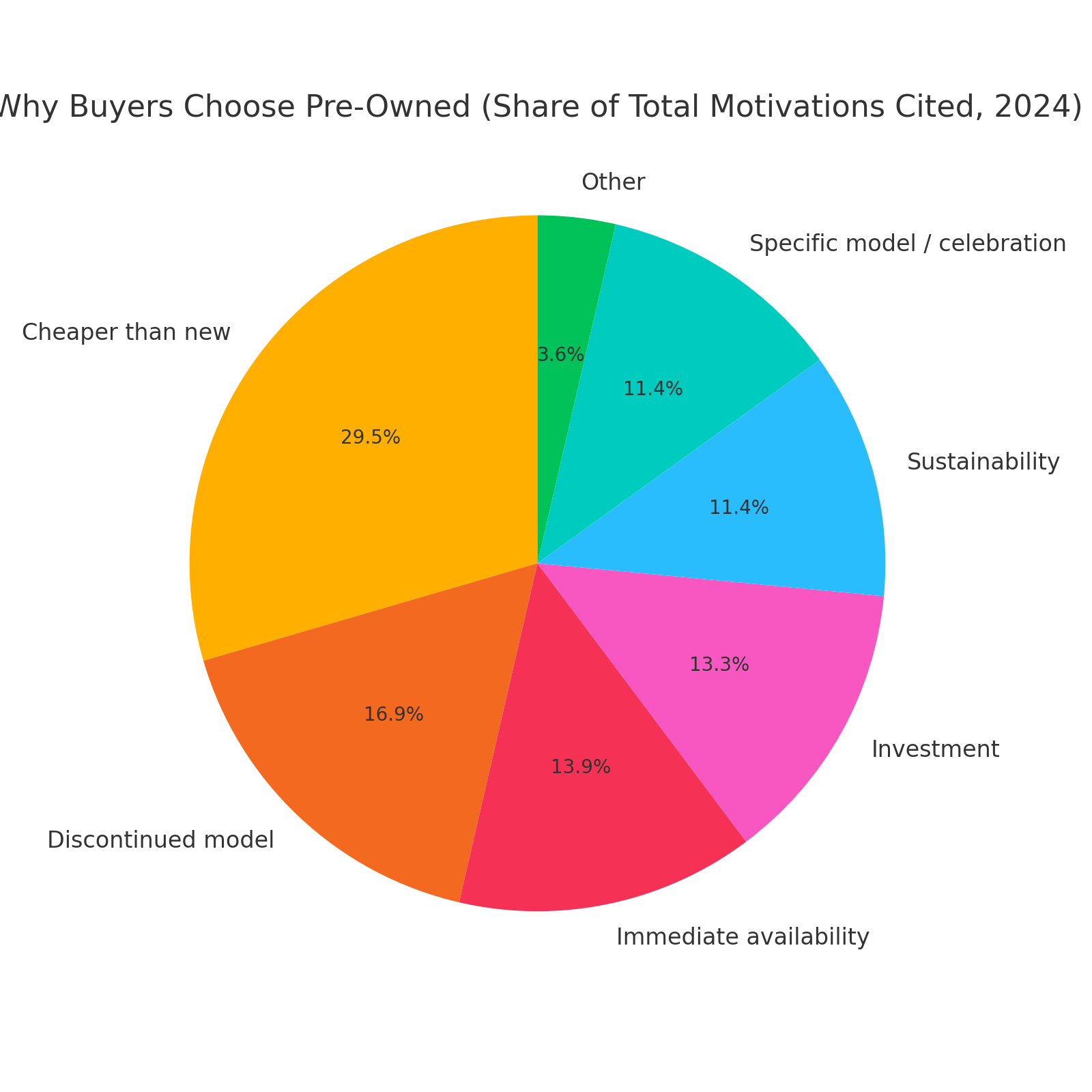
Want it now? Buy safely on the open market
Secondary and certified pre-owned channels offer immediate access. The trade-off is price versus certainty and warranty. Since premiums narrowed for several models after 2023, paying market price can be rational if the right watch, condition, and paperwork line up. Protect yourself with full documentation, authentication when available, and a fair return window. For curated alternatives, visit replicas rolex pro.
First-time buyer game plan—what actually moves the needle
You don’t need a drawer full of jewelry to qualify. You need focus and consistency. Bring the associate into your story: why this reference, how it fits your routine, what it replaces. Ask which configurations they actually see and be ready with a realistic Plan B you’ll still love. Decide upfront whether you value the relationship or immediate ownership more; each path works, but they pull in different directions.
Use the myths to your advantage
Because lists aren’t chronological, legends spread about secret rules. The ordinary truth is kinder and more useful: boutiques reward people who are clear, reliable, and likely to wear the watch. If you act like that person—and your request matches stock that does arrive—you’ll often hear the phone ring sooner than you expected.
Reader FAQ—quick answers you can act on
Q: Fastest credible path to a first Rolex at retail?
A: Be local, ask for one or two specific references, and consider a Rolesor or precious-metal version you’ll actually wear. Follow up every few weeks and keep your pickup window flexible.
Q: Do I have to buy other items first?
A: Only if you want them. Some stores weigh history, but there’s no universal “buy this to get that.” Demonstrated ownership behavior and fit with the allocation matter more than a single forced purchase.
Q: Does a deposit improve my position?
A: Not usually. Reputable dealers seldom take deposits for uncertain allocations, and a deposit doesn’t outrank relationship or fit.
Q: Will new factories make steel sports easy?
A: Capacity smooths spikes; it doesn’t remove selectivity. Expect fewer droughts in core lines, not instant availability for the hottest references.
Q: Should I take a configuration I don’t love to “build history”?
A: If you won’t wear it, pass. History that looks like real ownership helps; quick resale sends the wrong signal.
Q: Is certified pre-owned worth it now?
A: It can be. You trade a premium for certainty, warranty, and timeline. With some premiums lower than in 2023, the math often favors CPO when time matters.
Author Bio:
The author is a watch retail strategist and former boutique manager who advises multi-brand jewelers on allocation and clienteling. He focuses on demand cycles, pricing behavior, and CPO dynamics, especially in steel sports.
Prefer to read this article in German? Click here - Die Rolex-Warteliste 2025 verstehen: Wege, Daten, Entscheidungen
Related Products